The main difference between Gi and No-Gi Brazilian Jiu-Jitsu is what you wear and what you can grip. In Gi, you wear a jacket, pants, and belt, and you can grip your partner’s uniform. In No-Gi, you typically wear a rash guard and grappling shorts or spats, and you use grips on the body. Beginners can start with either style.
If you’re looking for Brazilian Jiu-Jitsu classes in San Diego, Tama Jiu-Jitsu offers both Gi and No-Gi training in the Midway District. Here’s what each style feels like on the mats and how to choose your first class. www.tamajiujitsu.com
What is Gi Jiu-Jitsu?
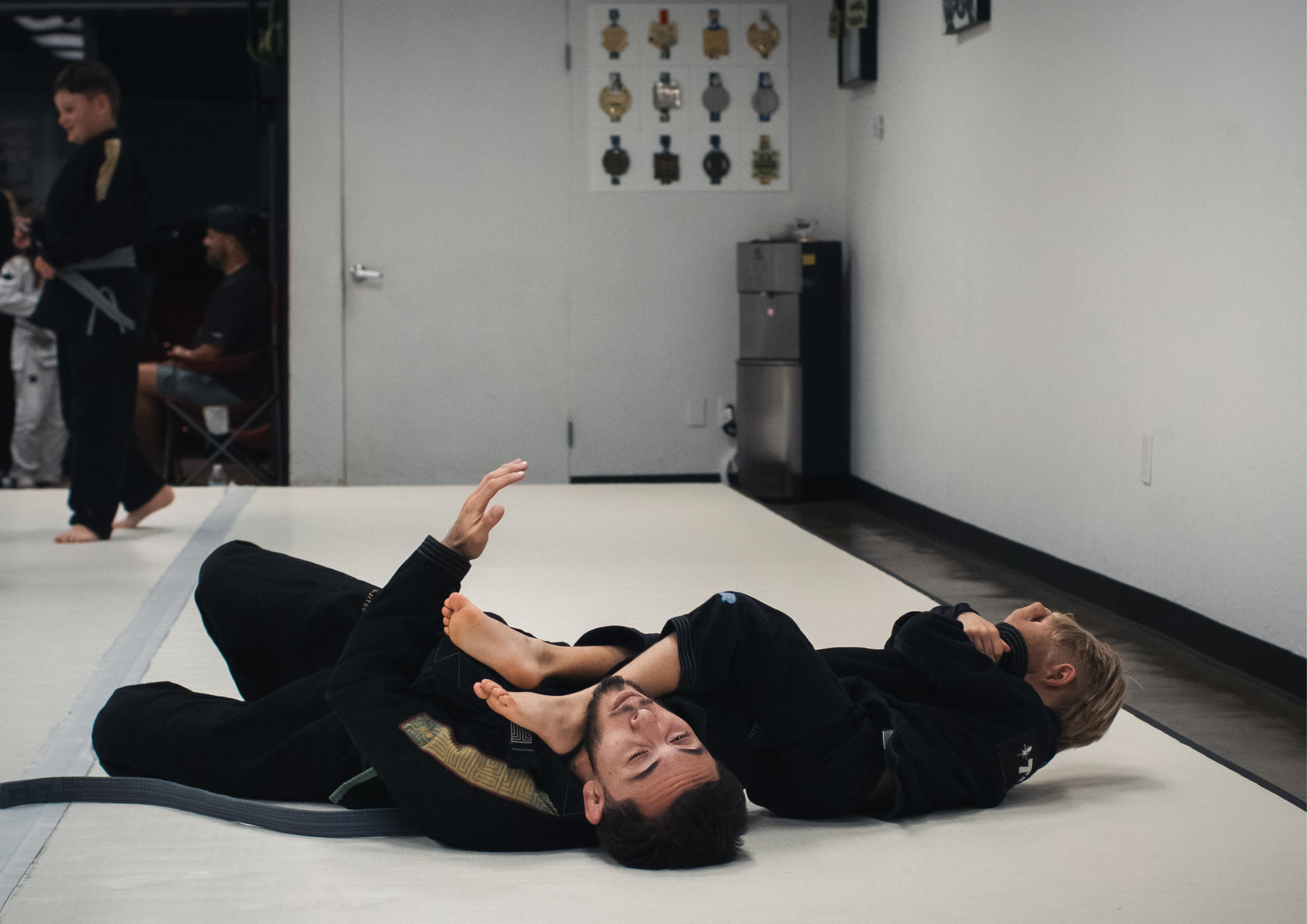
Gi Jiu-Jitsu is practiced in a traditional uniform called a gi. The collar, sleeves, and pant legs give you more places to hold as you work to control a position. For example, a sleeve grip can help you keep track of your partner’s arm while you adjust your position. Your partner, in turn, has to decide whether to break that grip or work around it.
Those grips can make an exchange feel more deliberate. Sometimes the most productive thing you can do is pause long enough to notice which grip is keeping you stuck. That’s part of what makes Gi interesting. A small change in where you hold the fabric can change what both people can do next.
What is No-Gi Jiu-Jitsu?
No-Gi Jiu-Jitsu is practiced without the traditional uniform. You’ll generally wear a fitted rash guard and grappling shorts or spats. Because you don’t rely on fabric grips, you learn to use wrist control, arm position, and body contact to stay connected to your partner.
No-Gi can feel faster when a grip slips or a partner changes direction. If you lose wrist control, for example, you may have to adjust your position before you can get it back. You’ll still work on many of the same fundamentals as in Gi, including balance, escapes, and guard passing. The difference is how you apply them.
Which style is better for beginners?
Start with whichever class you can attend consistently. If you want to spend time learning how grips affect a position, Gi is a good place to begin. If you’re drawn to grappling in a rash guard and shorts, try No-Gi. Once you’ve had a few sessions, try the other style so you can compare them for yourself.
At Tama Jiu-Jitsu, beginners start with an introductory private lesson before joining group classes. New students can then take advantage of a free one-week trial to meet the team and get a feel for training at the academy. www.tamajiujitsu.com
What should you wear to Gi and No-Gi classes?
For Gi classes, you’ll typically need a gi jacket, gi pants, and a belt. For No-Gi, bring a fitted rash guard and grappling shorts or spats. If you haven’t bought gear yet, ask the academy what to bring to your introductory lesson. That way, you can try training before deciding what to buy.
Frequently asked questions about Gi and No-Gi
Do I have to learn Gi before I try No-Gi?
You can start with No-Gi. Both formats teach core grappling skills, including how to stay balanced, control a position, and move when your partner puts pressure on you.
Can I train both Gi and No-Gi?
Yes. You can train both as your schedule allows. One way to see how the styles connect is to pick a position you’ve learned in Gi and notice which grips you use to work from that same position in No-Gi.
Where can I try Gi or No-Gi Jiu-Jitsu in San Diego?
Tama Jiu-Jitsu offers both styles at 3780 Hancock Street, Unit C, in San Diego’s Midway District near Point Loma. If you’re new, tell us what you’d like to get out of training and we can help you choose where to start. Book a free trial at Tama Jiu-Jitsu.
